







08/10/2026
If you need urgent rubbish removal in Dulwich, the main question is usually not "can it be done?"...
Rubbish Clearance Dulwich provides rubbish clearance in Dulwich for homes, landlords, trades, offices and local businesses that need unwanted items and waste collected with minimum fuss. The service is built around practical clearance work rather than one-off gimmicks: removing general rubbish, separating suitable materials for recycling where possible, and handling a wide range of common loads in a tidy, organised way. If you want a straightforward way to clear space and move waste on responsibly, this is the service to start with.
We focus on clear, usable service information so you can decide what kind of clearance you need before you ask for a price. That may mean a single item, a mixed household load, ongoing commercial waste, or heavier material left after building work. Commercial use cases are treated differently from domestic ones, and the right option depends on what has been collected, how much there is and how accessible it is on the day. If you are comparing options, start by looking at the main service pages and then request a quotation once you know which type of waste you need removed.
Our approach is to keep the process simple while still giving enough detail for a sensible decision. You can read about service groups, pricing, compliance and disposal standards on the pages linked throughout this site. If your clearance is not a standard job, the easiest next step is to send a short description of the waste and the access involved so the right option can be identified. For a direct enquiry, contact us here.
Domestic rubbish clearance in Dulwich can cover everyday clutter, bagged waste, broken household items and larger clear-outs where several types of waste appear together. The aim is to remove what is no longer needed without making the process complicated. Some customers need help after redecorating, while others want to clear a spare room, loft, shed or garage. The service is flexible enough to deal with mixed domestic loads, provided the waste is described clearly at the enquiry stage.
For homeowners and tenants, the useful decision is often whether the load is best treated as general domestic waste or as a more specific item category. Furniture, appliances and heavier objects may need separate handling, especially if they include metal, electrical parts or materials that should not be mixed with lighter rubbish. This is where the service pages help: they explain what kind of clearance each category covers, so you can match the waste to the right collection rather than asking for a one-size-fits-all visit.
Some household jobs are straightforward, but others need a little more sorting before collection. A room clearance may include bags, boxes, soft furnishings, small broken items and recyclable pieces. A house clearance may involve a broader set of materials and a more careful plan for access, parking and loading. If you have bulky waste that cannot be lifted easily, let the team know early so the quote reflects the actual collection conditions rather than just the headline item type.
House clearance in Dulwich is suitable when a property needs to be emptied of unwanted contents, whether that is part of a move, a change of tenancy or a general declutter. The practical point here is not simply removing rubbish, but dealing with contents in a way that respects the scale of the task. Some clearances are limited to a few rooms; others may involve most of a property. Either way, the service is designed to remove the load in an organised manner rather than leaving the customer to sort it alone.
Furniture removal is often linked to house clearance because items such as wardrobes, tables, chairs, sofas and shelving can take up more space than general bagged waste. Where items are reusable, repairable or recyclable, they may be handled differently from damaged waste. The key is to identify what needs removing and whether anything needs dismantling before it can be loaded safely. For broader domestic jobs, the house clearance page is the best place to start, while larger household items can be checked against the furniture removal option.
For mixed domestic clearances, it helps to separate items that are obvious from those that may need special handling. Mattresses, white goods, awkward furniture and bric-a-brac do not always belong in the same pile for pricing purposes. A good quotation depends on accurate descriptions, clear access information and a realistic view of the volume involved. If several rooms or types of waste are involved, make that clear in one message so the most suitable clearance can be recommended.
Not all rubbish clearance jobs are about household clutter. Garden waste removal in Dulwich can include cuttings, branches, soil-filled sacks, hedge trimmings and other green waste left after outdoor work. Builders’ waste removal covers the debris that can remain after refurbishment, repairs or small construction jobs, such as timber, packaging, plasterboard offcuts and mixed rubble. Appliance disposal is different again, because white goods and electrical items may have their own handling and sorting requirements.
These service types are useful because they recognise that not every load is the same. Garden waste is usually lighter but bulkier, builders’ waste can be heavy and mixed, and appliances may contain components that need specific disposal routes. If you are comparing options, choose the page that best reflects the dominant material in the load. The service pages are written to help with that decision, so the enquiry can be matched to the right collection rather than forcing everything into a general category.
When these jobs are priced, the main factors are usually the amount of material, the type of waste, where it is located and whether anything needs moving from inside the property or garden before loading can begin. If you are not sure which category is most appropriate, describe the materials in plain language and mention whether any items are particularly heavy, dirty or awkward to reach. That gives a much better basis for a quotation than a short general request.
Dulwich is an area in south London with a long association with estates, education and open green space. Historically part of Surrey, it developed around the former manor of Dulwich and later the charitable estates linked with Edward Alleyn’s foundation. The area is often associated with a more spacious suburban character than many inner-London districts, with a mix of residential streets, independent shops and well-known schools. Dulwich Village sits at the heart of the area’s historic identity, while nearby East Dulwich and West Dulwich each have their own distinctive neighbourhood feel. The architecture reflects that layered history, ranging from older village streets and Georgian and Victorian buildings to later interwar housing and contemporary development. Dulwich Picture Gallery, opened in 1817, is one of the area’s best-known cultural landmarks and is recognised as the world’s first purpose-built public art gallery. The surrounding streets and landscaped settings contribute to a quieter atmosphere than some neighbouring parts of London. Open spaces are another defining feature: Dulwich Park offers broad recreational space, while nearby Belair Park, Sydenham Hill Woods and the grounds associated with local schools and institutions add to the green setting. The local landscape is also shaped by transport routes and small commercial centres that serve the residential population. Rail connections from West Dulwich, North Dulwich and East Dulwich help link the area with the wider city, while the road pattern preserves a sense of separation between distinct parts of the district. That combination of history, parks, education and residential character gives Dulwich a strong local identity within south London.
Commercial waste removal in Dulwich is intended for businesses that need a dependable way to clear recurring or one-off waste without disrupting day-to-day work. Offices, shops, hospitality premises, landlords and property managers may all produce waste streams that differ from domestic rubbish. Some commercial loads are mainly packaging and cardboard, while others include office furniture, damaged fittings, stockroom waste or mixed refuse from a change of use. The useful point is to match the collection to the actual work carried out on site.
When business waste is being cleared, accuracy matters because the material type affects how it should be handled. A small load of office waste is not the same as a shop refit or a post-event clear-out. For that reason, it is worth being precise about what needs removing and whether the waste is being generated regularly or as a one-off job. If your organisation needs a broader view of how to stay within the rules, the commercial waste removal page and the compliance information page are both relevant starting points.
Business customers often want clarity on documentation, collection type and what happens after waste is taken away. That is where supporting pages on licensing, insurance and recycling are useful, because they explain the practical standards behind the service. If you are arranging a clearance for premises, it helps to state the business type, the waste category and whether access is from a shopfront, yard, office floor or shared building area. See pricing and quotes for more detail before sending your enquiry.
Rubbish clearance pricing is usually shaped by the amount of waste, the type of materials involved, how easy they are to reach and whether any items need special handling. A small load of bagged waste is not priced the same way as a large mixed clearance, and the difference matters because the time, labour and disposal route may not be the same. Clear descriptions make the quotation process easier and reduce the chance of revisions later.
It is also useful to think about the job as a set of practical details rather than a vague request for “some rubbish removed”. If you can identify the main items, whether they are inside or outside, and whether there are stairs, narrow passages or limited parking, the quotation can be more accurate. Two simple preparations help most customers:
For customers who want to understand the figures more fully, the pricing and quotes page gives a sensible place to begin. If you are comparing providers, you may also find the article on hidden rubbish removal costs useful, because it explains the kind of details that can change a price once a job is properly described. When you are ready, ask for a quotation in plain language and include the essentials only once.
Any clearance service should be considered alongside safety and compliance, particularly where heavy, mixed or business waste is involved. The material being removed may include sharp edges, electrical components, broken furniture or dust and debris from renovations. Responsible handling starts with understanding what is in the load and making sure it is collected, transported and processed in a way that fits the type of waste. That is why supporting information on insurance, licensing and disposal standards matters.
Customers often want reassurance that waste is being managed properly after collection, not simply taken away. For that reason, the website includes pages on waste carrier licence and compliance, insurance and safety and recycling and sustainability. These pages help explain the standards behind the service and the practical steps involved in dealing with different waste streams. They are particularly useful if you are arranging a clearance for a business, landlord property or mixed material load.
Good waste management is not only about removing items from a premises. It also includes separating suitable materials where possible, reducing unnecessary contamination and choosing the right route for disposal. If you want to check the company background before booking, the about us page and the services overview page provide a broader picture of how the work is organised. When you are ready to proceed, a clear quote request is the best next step.
Choosing the right rubbish clearance service in Dulwich is easier when you start with the material itself. General domestic waste, furniture, appliances, garden debris, builders’ waste and commercial waste each have different practical needs, so the main task is to match the load to the category that best describes it. That helps with both pricing and planning, because the collection can then be set up around the right type of work rather than a vague idea of “a few bits and pieces”.
If you are comparing pages, look for the one that best reflects the dominant part of the job. A clearance that includes one heavy item and several bags may not need the same approach as a property emptied after a tenancy ends. Likewise, business waste should be considered separately from household clutter because the handling, access and disposal questions are often different. The useful approach is to describe the real job rather than the most convenient label, then ask for the most suitable option.
Ready to move forward? Use the service pages to narrow down the type of clearance, then send a clear enquiry with the waste category, quantity and access details. If you need the quote team to review a specific job, contact us here for a quotation and include the basic information in one message. If you are still deciding, the services overview is a good final stop before you request a price.
Rubbish clearance in Dulwich for domestic, household, garden, builders’ and commercial waste, with clear pricing information and a simple quote request.
If you need urgent rubbish removal in Dulwich, the main question is usually not "can it be done?"...
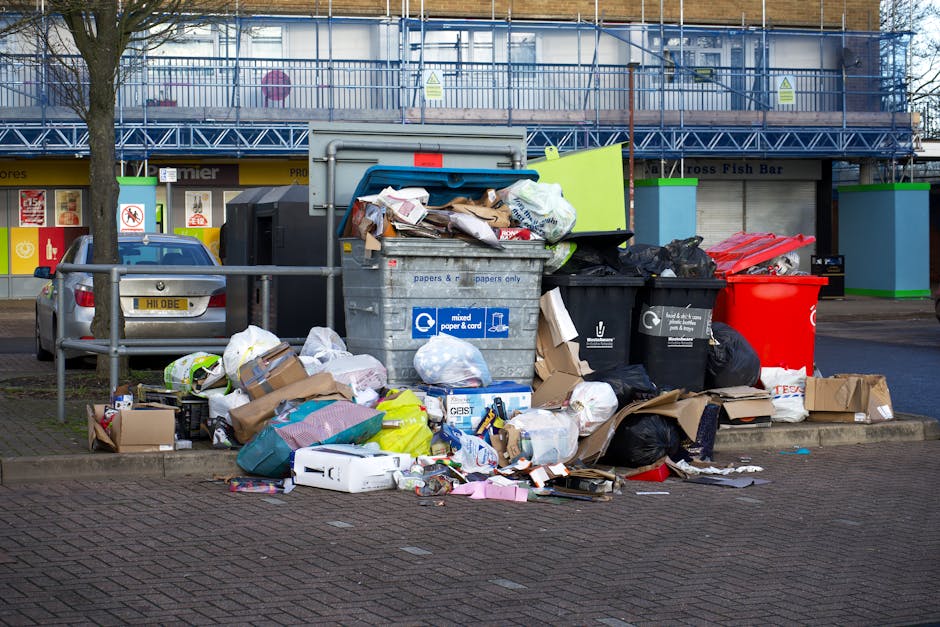
If you have ever stood by the window in Dulwich, watching a heap of old furniture, garden...
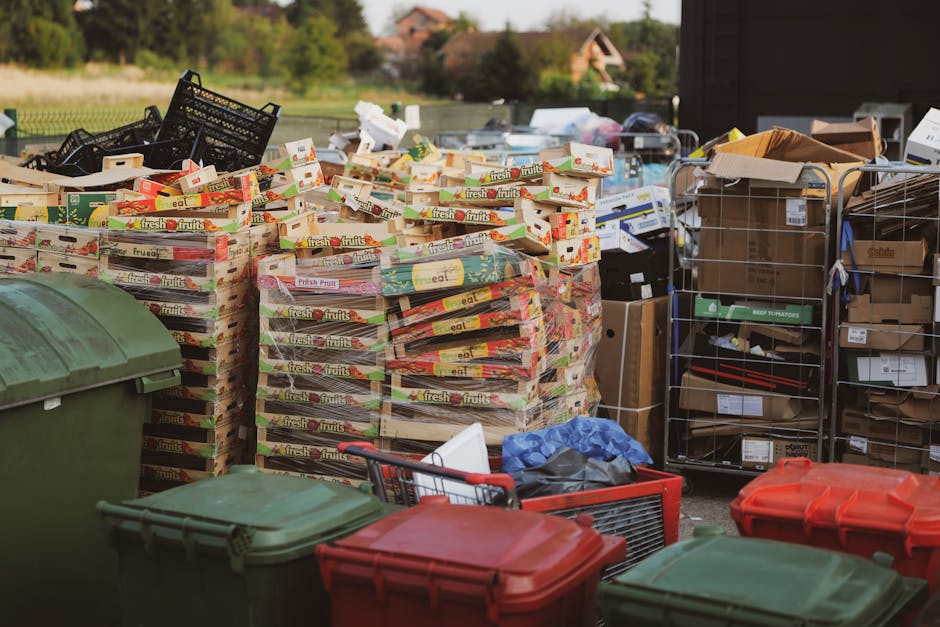
If you live or work in SE21, rubbish clearance can feel straightforward right up until it isn't.

If you live, work, or manage property around Lordship Lane, you'll already know rubbish can build...

How to Choose the Right Rubbish Removal Service in the UK isn't just a tidy-up task; it's a...

Ever wondered what really happens after your old sofa, office archive boxes or that pile of DIY...

Rubbish removal in the UK is going through one of its fastest periods of change in years.

If you've ever watched a professional waste crew glide through a tight London mews at 6:30 a.m.,...

You hear the reverse alarm in the early morning--beep, beep, beep--and watch the crew hoist your...

Customer Success Stories: How We Solved Unique Waste Challenges If you've ever stared at a pile...

If you've ever wondered what really happens when a professional rubbish removal team turns up at...

The festive rush is brilliant. It's also messy. Parcels arrive daily, the recycling bin swells...

 (86)
(86)
Please fill out the form below to send us an email and we will get back to you as soon as possible.