Insider tips to speed up rubbish collection in Dulwich
Posted on 25/08/2026
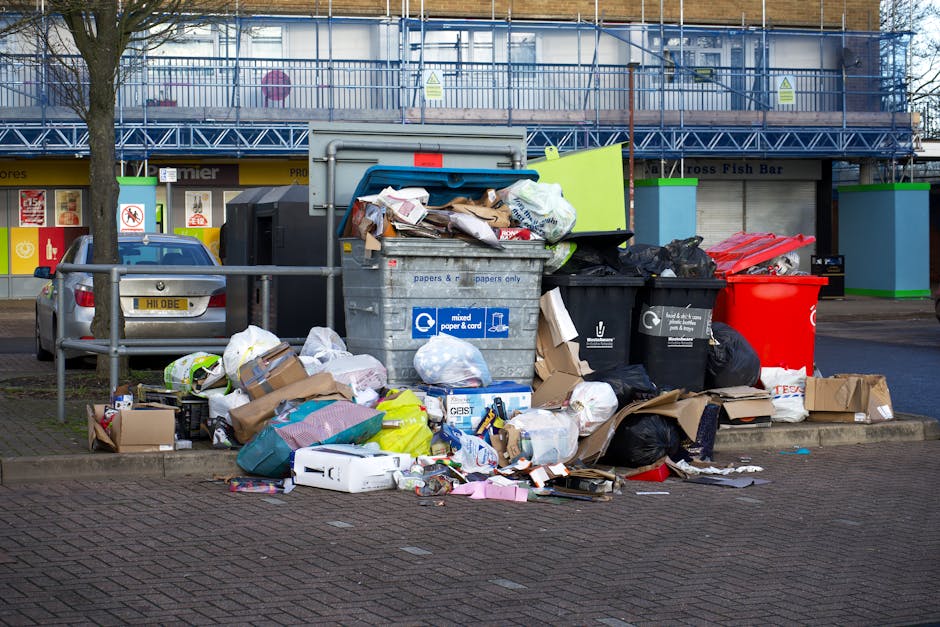
If you have ever stood by the window in Dulwich, watching a heap of old furniture, garden cuttings, or builders' debris sit there longer than you wanted, you will know the feeling: you just want it gone, properly, and as quickly as possible. The good news is that speed is not usually about luck. In most cases, it comes down to preparation, timing, clear access, and choosing the right collection approach for the job. This guide shares practical, local-minded insider tips to speed up rubbish collection in Dulwich without cutting corners on safety, compliance, or common sense.
Whether you are clearing a flat near Lordship Lane, dealing with post-renovation waste, or simply trying to reclaim a driveway that has become a storage area for "things we'll deal with later," the steps below will help you avoid delays and make the whole process feel much smoother. And yes, a little planning really does save a lot of faff.
Why Insider tips to speed up rubbish collection in Dulwich Matters
Speed matters for more than convenience. In a busy area like Dulwich, delays can quickly turn into practical headaches: blocked hallways, awkward neighbours, missed tradespeople, or waste that starts attracting attention in all the wrong ways. If rubbish is sitting in the way of a move, a sale, a refurbishment, or a garden tidy-up, every extra day can feel longer than it is.
There is also a real efficiency angle. Faster rubbish collection often means fewer visits, less handling, and fewer chances for something to go wrong. That might be a missed item, unclear access instructions, or a vehicle arriving to find a pile that was not sorted properly. A smooth collection saves time for everyone. It also tends to be calmer. Less stress, fewer phone calls, less standing around with a half-open gate in the drizzle. That alone is worth a lot.
If you are comparing services, it helps to think beyond price. A cheaper quote can look tempting, but if the team has to return because access was poor or the waste list was incomplete, the "saving" disappears quickly. For a broader view on choosing well, comparing rubbish removal services by price, quality and trust is a useful place to start.
How Insider tips to speed up rubbish collection in Dulwich Works
Fast collection is usually the result of three things working together: clear information, easy access, and the right vehicle or crew for the load. When those pieces line up, collections move quickly. When they do not, even a straightforward job can become fiddly.
Here is the basic flow. You identify the waste type, estimate the volume, share access details, book a slot, and make the waste ready for removal. The collection team then arrives, confirms what is being taken, loads it efficiently, and leaves the site tidy. The whole thing can be remarkably quick if the preparation is done well.
The main thing people underestimate is how much time is lost before the van even arrives. Mixed waste, hard-to-reach items, locked side gates, narrow stairwells, parking issues, and last-minute "oh, we forgot about that wardrobe" moments all slow things down. A little pre-sorting and a few practical checks can shave off a surprising amount of time.
If you want a deeper look at the practical side of getting ready, how to prepare your home or office for a rubbish collection visit covers the basics in a sensible, no-nonsense way.
Key Benefits and Practical Advantages
There are several clear advantages to speeding up rubbish collection properly, rather than just rushing it.
- Less disruption: waste is removed before it starts interfering with daily life, trades, or deliveries.
- Better pricing clarity: when the job is described accurately, quotes are usually easier to compare.
- Fewer delays on the day: a prepared site means less time spent moving things around.
- Cleaner finish: organised clearance tends to leave the area more manageable afterwards.
- Reduced risk: fewer trips, less manual handling chaos, and fewer awkward surprises.
For households, the main benefit is peace of mind. For landlords, letting agents, and property sellers, speed can support viewings, refurbishments, or move-out deadlines. For businesses, it can keep operations from grinding to a halt. A back room full of discarded packaging or broken fixtures is not just untidy; it can get in the way of actual work.
There is another upside that people often miss. A well-organised collection is usually easier to recycle responsibly. If waste is separated clearly, a reputable crew can sort and route items more effectively. That matters if you care about sustainability, and many Dulwich residents do. For more on that, you may find recycling and sustainability worth a look.
Who This Is For and When It Makes Sense
This approach is useful for almost anyone arranging waste removal in Dulwich, but it is especially valuable in a few common situations.
- Homeowners clearing lofts, garages, sheds, or spring-clean clutter.
- Renters needing a quick clean-up before checkout.
- Landlords and agents dealing with end-of-tenancy leftovers.
- Property sellers preparing a home for photography or valuation.
- Builders and trades wanting rubble, timber, and packaging cleared promptly.
- Businesses managing commercial waste, furniture changes, or stockroom clear-outs.
It also makes sense if your waste is time-sensitive. Think about garden waste after a weekend overhaul, broken white goods that are taking up space, or a house clearance where several rooms need to be emptied in one go. The more cumbersome the waste, the more important preparation becomes.
And if you are dealing with a particular type of clearance, a more tailored service can save time. For example, house clearance in Dulwich is usually a better fit for whole-property jobs, while builders waste removal in Dulwich is designed for renovation debris and site mess.
Step-by-Step Guidance
Here is the most practical way to speed things up without turning the day into a scramble.
- Make a clear waste list. Write down the main items or categories. A sofa, two mattresses, broken shelves, bags of mixed junk, and a few garden sacks is much better than "lots of stuff."
- Separate waste by type where possible. Keep garden waste, furniture, appliances, and general rubbish apart. It helps both loading and recycling.
- Measure bulky items roughly. You do not need engineering precision. Just give a realistic sense of scale, especially for wardrobes, sofas, or white goods.
- Check access before booking. Is there a narrow hallway? A flight of stairs? A shared entrance? A parking constraint? Mention it early.
- Clear a path to the waste. Move loose items out of the way so the crew can work straight through.
- Book a realistic time window. If the area is busy or parking is tight, allow for a bit of wiggle room. Dulwich can be lovely and a touch awkward for vehicles. That is just the truth of it.
- Keep valuables and non-waste separate. A tiny mix-up can cost time if the crew has to pause and ask questions.
- Be present or reachable. Someone should be available to confirm what is going and what is staying.
- Have payment and paperwork ready. This sounds obvious, but it removes one more friction point on the day.
A small example: if you are clearing a semi-detached home near Dulwich Village, the job can be much faster if all waste is already grouped in one room or on the driveway. If every item is in a different corner of the house, the collection takes longer. Simple, but easy to overlook when you are busy.
For more local context, the Dulwich Village rubbish clearance guide offers useful area-specific insight, and East Dulwich Lordship Lane rubbish removal tips can be helpful if you are dealing with tighter, busier streets.
Expert Tips for Better Results
These are the little things that often make the biggest difference.
1. Send photos before the visit. A few clear pictures of the waste, access route, and any large items help a crew judge the job properly. It is one of the quickest ways to avoid misunderstandings.
2. Be specific about awkward items. White goods, heavy furniture, plasterboard, broken fencing, and mixed renovation waste all behave differently. If a team knows what they are facing, they can arrive with the right setup. If you need that kind of removal, white goods and appliance disposal in Dulwich is a good example of a more specialised service.
3. Time the collection sensibly. Early-day slots often work best for tighter schedules, especially if you want the waste gone before the rest of the day gets messy.
4. Leave the obvious items visible. If a sofa is hidden behind stacked boxes, the team loses time. Make the main load easy to see at a glance.
5. Keep children and pets out of the way. Not dramatic, just practical. Fewer interruptions mean a quicker, safer collection.
6. Ask what happens next. A reputable operator should be able to explain the next steps for your waste in plain English. If you want to understand the process better, what happens to your rubbish after collection is a useful read.
One small but important point: do not overcomplicate the sorting. If you are not sure whether an item is recyclable or not, just flag it. Better to ask than to guess and waste time later.
Common Mistakes to Avoid
Most delays are caused by a handful of very ordinary mistakes. Nothing exotic. Just the sort of thing people realise at the worst possible moment.
- Giving vague descriptions: "a few bits" is not enough for quoting or planning.
- Forgetting access details: parking restrictions, gated entrances, and basement steps matter.
- Mixing waste types: it slows loading and can complicate disposal.
- Leaving items scattered everywhere: crews need time to search, carry, and double-check.
- Not confirming what is excluded: hazardous or restricted materials need different handling.
- Booking too late in the day for a big clearance: that can feel optimistic, but not always realistic.
A common one is assuming every collection can be handled exactly the same way. It cannot. A small domestic load, a builders' skip-style pile, and a full flat clearance are very different jobs. If you want to avoid awkward surprises, it helps to know the difference between services before you book. For that, the services overview is a sensible reference point.
And while we are here, one slight reality check: if your clearance includes anything unusual, tell the provider early. It saves everyone a headache. Honestly, it really does.
Tools, Resources and Recommendations
You do not need fancy equipment to prepare rubbish for collection, but a few basic tools can make the process smoother.
- Strong bin bags or rubble sacks for loose waste and garden material.
- Marker tape or labels to identify items that must stay or go.
- Dust sheets if you are moving clutter through living areas.
- Gloves for handling sharp or dusty objects safely.
- Phone camera for quick photos when requesting a quote or confirming the load.
- Trolley or dolly for heavier items, if you are moving them yourself beforehand.
On the planning side, it helps to use a simple room-by-room approach. Kitchen, loft, garden, garage, hallway. Tick them off one by one. This stops the classic "we forgot the back shed" situation. A bit of structure goes a long way.
If you are looking for a broader understanding of how professionals work, top tools and techniques used by professional waste collectors gives a helpful behind-the-scenes view, and inside a day with licensed rubbish removal experts can help set expectations for how a proper collection is handled.
Law, Compliance, Standards and Best Practice
If speed is your priority, compliance still matters. In the UK, waste has to be handled correctly, and reputable providers should be able to show that they operate responsibly. That usually means using a licensed waste carrier, taking waste to authorised facilities, and keeping proper records where needed. You do not need to become a compliance expert yourself, but you should feel confident that the team you hire knows what they are doing.
For businesses in particular, waste rules are not something to treat casually. Commercial waste must be managed in line with legal duties, and poor handling can create avoidable problems. If you run a shop, office, rental property, or trade business in Dulwich, it is worth reading how businesses can stay compliant with commercial waste laws alongside the more practical collection advice.
You may also want to check whether the provider explains its licensing and safety standards clearly. That is usually a good sign. waste carrier licence and compliance and insurance and safety are both worth reviewing if trust matters to you, and frankly, it should.
For anyone concerned about ethics and transparency, pages such as modern slavery statement and about us can also give a fuller sense of how a company presents itself. It is not glamorous reading, I know, but the dull bits are often the bits that tell you the most.
Options, Methods and Comparison Table
There is more than one way to arrange a fast rubbish collection in Dulwich. The best choice depends on the size of the load, the access situation, and how quickly you need the space back.
| Method | Best for | Speed | What to watch |
|---|---|---|---|
| Pre-sorted collection | Household or mixed domestic waste | Fast when items are grouped clearly | Needs decent preparation beforehand |
| Bulky-item removal | Sofas, wardrobes, appliances | Very fast for single or few large items | Check access and weight in advance |
| Full clearance service | House moves, probate, emptying rooms | Efficient for large jobs | Needs accurate brief and more time on site |
| Builders waste removal | Renovation debris and site waste | Quick if waste is stacked neatly | Mixed materials may need sorting |
| Garden waste removal | Branches, soil, cuttings, old pots | Usually straightforward | Wet or heavy material adds weight quickly |
In plain terms: if you have a simple load, keep it simple. If you have a more complex site, spend more time on preparation. That is the trade-off. If you want a domestic option tailored to standard household waste, domestic waste collection in Dulwich is often the right fit. For garden-specific jobs, garden waste removal in Dulwich may be the cleaner solution.
Case Study or Real-World Example
Here is a realistic example from a typical Dulwich job. A family was preparing a property for sale and needed a mix of old shelving, a broken chest of drawers, bags of loft clutter, and a few items from the garden removed before photographs were taken. Nothing dramatic, just one of those jobs where the house looks "almost ready" but not quite.
The collection moved quickly because the waste had been grouped into two areas: indoors by the front room door, and outdoors near the drive. Photos were sent in advance, access was confirmed, and the family had already separated anything they wanted to keep. The crew arrived, checked the load, and got on with it. No dragging boxes through three rooms. No guessing. No last-minute searching under stair cupboards.
The most useful part, really, was that the team did not have to spend time making decisions on site. Everything was obvious. That is often the hidden difference between a quick visit and a slow one. Not the size of the load. The clarity of the brief.
For related property-planning context, selling your property in Dulwich and real estate trends in Dulwich can be helpful reads if your clearance is tied to a move or sale.
Practical Checklist
Use this checklist before the collection day. It sounds basic, but basic is often what makes the difference.
- List all waste items clearly.
- Separate furniture, garden waste, builders' waste, and general rubbish where possible.
- Take photos of bulky or awkward items.
- Confirm parking and access details.
- Clear a direct path to the waste.
- Move valuables and keep them away from the collection area.
- Check whether anything needs special handling.
- Have someone available to answer questions on the day.
- Prepare payment and any needed paperwork.
- Double-check that anything you want to keep is clearly marked or removed.
If the job involves specialist items, it may be worth choosing a dedicated service rather than trying to bundle everything together. For example, furniture removal in Dulwich works well for sofas, tables, and bulky household pieces, while builders waste removal in Dulwich is more suitable for renovation debris. Different jobs, different rhythms.
Conclusion
Speeding up rubbish collection in Dulwich is not about rushing the crew or cutting corners. It is about making the job easy to understand and easy to complete. Clear photos, clear access, sensible sorting, and a realistic booking plan can remove most of the friction before the van even arrives. That is where the real time saving comes from.
And the lovely thing is, once you get the process right once, it becomes much easier the next time. You know what to prepare, what to separate, and what details matter. Less guesswork. Less stress. A lot less standing around hoping the pile will disappear by itself. If only, eh?
Get a free quote today and see how much you can save.
When the right prep meets the right team, rubbish collection stops feeling like a chore and starts feeling manageable. That is the goal, really.