SE21 rubbish collection zones and clearance advice
Posted on 07/08/2026
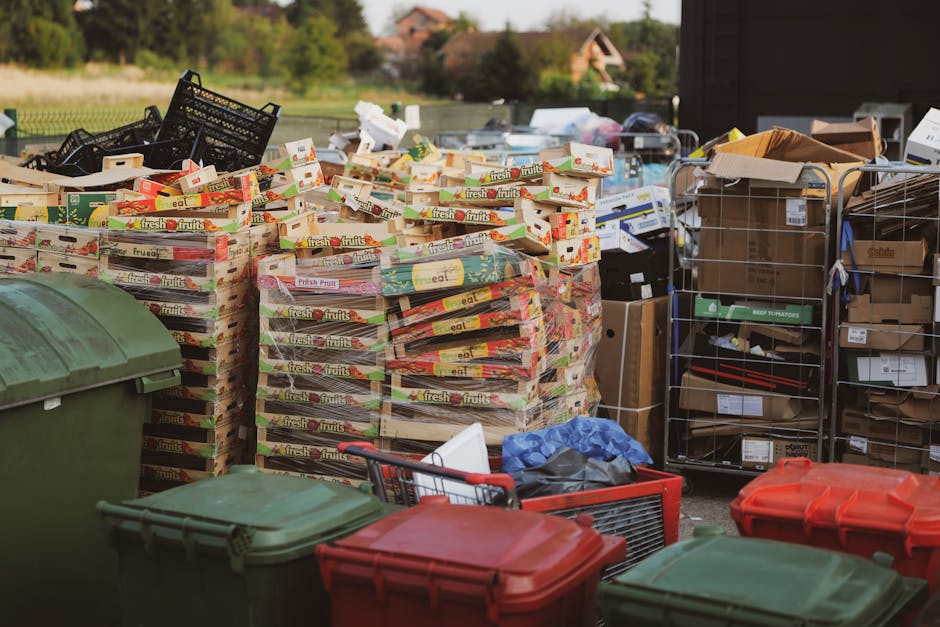
If you live or work in SE21, rubbish clearance can feel straightforward right up until it isn't. One street has easy kerb access, the next has tight parking, and suddenly you're wondering whether a same-day collection will actually fit around school traffic, permit rules, or a narrow side return. That's exactly where SE21 rubbish collection zones and clearance advice becomes useful: it helps you plan the job properly, avoid delays, and choose the right clearance method for your property, your waste type, and your schedule.
In this guide, we'll break down how collection zones usually work in SE21, what affects access and turnaround times, what to check before booking, and how to prepare waste so it can be removed efficiently and responsibly. You'll also find a practical checklist, a clear comparison table, and a few real-world examples that should save you time. Let's make the whole thing feel much less of a headache.
- Why SE21 rubbish collection zones and clearance advice matters
- How it works in practice
- Key benefits and practical advantages
- Who this is for and when it makes sense
- Step-by-step guidance
- Expert tips for better results
- Common mistakes to avoid
- Tools, resources and recommendations
- Law, compliance, standards and best practice
- Options, methods, or comparison table
- Case study or real-world example
- Practical checklist
- Conclusion
- Frequently asked questions
Why SE21 rubbish collection zones and clearance advice Matters
SE21 is one of those parts of south London where logistics matter just as much as the rubbish itself. The postcode includes a mix of residential streets, period homes, flats, schools, small businesses, and busy routes where access can change quickly during the day. That means a "simple" collection is often only simple if the planning is done well.
Here's the key point: collection zones are not just about geography. They're about access, timing, vehicle suitability, loading conditions, and waste type. If those pieces line up, the job usually goes smoothly. If they don't, you can end up with missed collections, extra labour, or waste left in the wrong place for too long. Nobody wants bags sitting outside all afternoon while neighbours give the side-eye.
Good clearance advice matters because SE21 properties often have a few common complications:
- limited on-street parking
- shared driveways or tight front paths
- steps, railings, or split-level entrances
- collection windows that need to work around work, school runs, or building access
- mixed waste that needs separating before removal
It also matters from a trust point of view. A reputable clearance provider should explain what can be taken, how it will be loaded, and what may affect the final price. If you want a broader overview of the kinds of services that usually sit behind local collections, the services overview is a useful place to understand the range of options before you book anything.
How SE21 rubbish collection zones and clearance advice Works
In practical terms, SE21 rubbish collection zones are usually shaped by access more than by a strict single map. A team will think about how close the vehicle can get to the waste, whether the street allows loading, whether there are time restrictions, and whether the items can be carried safely from the property to the vehicle.
For example, a ground-floor flat on a wide residential street might be easy to service, while a house near a busier road or a narrow cul-de-sac could require a different approach. The collection itself may still be quick, but the planning changes. That's the part people often miss.
Here's how the process usually flows:
- Initial assessment - you describe the waste, location, access, and timing.
- Zone and access check - the team works out how collection can be done safely and efficiently.
- Waste sort and quote - items are grouped by type, size, and disposal requirement.
- Arrival and loading - the crew removes the waste from the agreed spot.
- Responsible disposal - items are taken for recycling, reuse, or compliant disposal where appropriate.
That last step matters more than many people realise. After collection, rubbish doesn't just disappear; it should follow a proper handling route. If you're curious about what happens after the lorry leaves, the article on the journey after collection gives a clearer picture of the process.
In SE21, the best advice is to treat collection as a small logistics job, not just a clean-up task. Once you do that, everything gets easier.
Key Benefits and Practical Advantages
When rubbish clearance is planned around SE21's access realities, the benefits are immediate. Less waiting, fewer surprises, and a much lower chance of paying for avoidable extras. Simple, but true.
Some of the main advantages include:
- Faster turnaround - the crew can remove waste more efficiently when the access route is clear.
- Better pricing accuracy - a good pre-check reduces the chance of on-site changes.
- Less disruption - especially useful in shared homes, offices, and active family properties.
- Safer handling - bulky or awkward waste is less likely to cause damage when the route is planned.
- More reliable outcomes - less risk of missed collections or last-minute rescheduling.
There's also a sustainability angle. If the waste is sorted properly before collection, more of it can potentially be recycled or handled in a more responsible way. If that's something you care about, it's worth reading about recycling and sustainability practices before you choose a provider.
And to be fair, it's not just about being tidy. A well-run clearance reduces stress. You know what's happening, when it's happening, and where the waste is going. That calm is worth a lot on a busy day.
Who This Is For and When It Makes Sense
This kind of guidance is useful for a wide mix of SE21 residents and property users. It is not only for people with huge house clearances or building projects. In fact, some of the most common jobs are small but awkward.
You may need SE21 rubbish collection zones and clearance advice if you are:
- clearing a house after a move
- getting rid of furniture after a room refresh
- disposing of garden waste after seasonal pruning
- removing builders' debris from a renovation
- emptying a rented flat between tenancies
- clearing commercial premises or office storage
- dealing with bulky white goods or appliances
In domestic settings, people often underestimate how much hassle a few bulky items can cause. A sofa, mattress, broken wardrobe, and an old chest freezer can suddenly turn into an access puzzle. For household situations, a dedicated domestic waste collection service is often a cleaner fit than trying to manage it piecemeal.
Businesses have a different set of pressures. Office clearances, shop refits, and regular commercial waste all need a more structured approach. If that sounds familiar, the page on commercial waste removal is relevant because it covers the sort of practical handling businesses usually need.
Step-by-Step Guidance
If you want the job to go smoothly in SE21, a little preparation goes a long way. Here is the most sensible way to handle it.
- List everything you need removed. Be specific. "Old furniture" is less helpful than "two sofas, one wardrobe, three boxes of mixed junk, and a broken microwave."
- Separate waste by type where possible. Put general household waste apart from garden waste, electricals, and bulky furniture. This makes quoting easier and can help with recycling.
- Check access from the property to the street. Measure narrow hallways, gate widths, and stair turns if you have large items. It sounds fussy. It isn't.
- Consider parking and loading. If the vehicle can't stop close by, the collection may take longer or need more labour.
- Choose a collection time that fits the area. Early morning, midday, and school-run periods can each create different access issues in SE21.
- Confirm what is excluded. Some materials need special handling, and not everything can be taken the same way.
- Prepare the waste in one place. Keep it together if safe to do so. That avoids confusion when the crew arrives.
- Ask how pricing is calculated. If a quote is based on load size, item type, or access difficulty, you should know that in advance. For a deeper look at pricing factors, see the guide to what rubbish removal costs and what affects the price.
A quick practical example: if you're clearing a top-floor flat in SE21 with one narrow staircase and a parking bay around the corner, mention that before booking. It's the sort of detail that can change the whole plan. People often forget it until the crew is at the door, and then everyone's playing catch-up.
Expert Tips for Better Results
Here's the part that usually saves people time, money, or both. Small improvements can make a big difference.
- Take photos before booking. A few clear pictures of the items and access route can prevent misunderstandings.
- Be honest about volume. It is better to over-explain than understate. Underestimating often leads to delays.
- Leave a clear path. Hallways, porches, and garden gates should be unobstructed where possible.
- Check for awkward materials. Paint tins, fridges, mattresses, and mixed renovation waste can need separate treatment.
- Book before the clutter spreads. Once rubbish starts creeping into the hallway or spare room, it tends to multiply. A bit like laundry, frankly.
Professional crews also rely on the right equipment. Trolleys, lifting straps, protective gloves, and the right vehicle setup all matter. If you're interested in the operational side, the article on tools and techniques used by professional waste collectors is a good companion read.
Another sensible tip: ask whether the provider is clear about safety and insurance. You do not want damage to bannisters, flooring, or communal areas becoming a problem after the job. The page on insurance and safety is worth checking if you want reassurance on that front.

Common Mistakes to Avoid
Most clearance problems in SE21 are avoidable. They usually come from rushed planning rather than bad luck.
- Leaving waste scattered across multiple rooms. This slows everything down and makes loading less efficient.
- Forgetting to mention access restrictions. Steps, gates, no-parking areas, and timed access windows all matter.
- Mixing waste types without warning. General junk, electrical items, green waste, and construction rubble are not all handled the same way.
- Choosing a provider on price alone. Cheap can be fine, but only if it is transparent. Hidden extras are where frustration starts.
- Assuming every item can be taken immediately. Some materials need special handling or separate arrangements.
That last point catches people out a lot. A broken freezer or a pile of renovation waste may look like "just rubbish," but the collection process may be different. If you want to avoid nasty surprises, the article on hidden rubbish removal costs is a useful reality check.
And here's a small one, but important: don't leave it until the night before if you can help it. Rushed bookings tend to be the ones where something gets missed.
Tools, Resources and Recommendations
You do not need specialist kit to prepare for a collection, but a few simple tools help a lot. Think basic, not fancy.
- Tape measure - useful for doorways, stair width, and large items
- Marker pen and labels - helpful if you want to separate keep, donate, and remove piles
- Gloves - especially for broken items, garden debris, or dusty loft clearances
- Strong bags or boxes - ideal for loose waste and smaller mixed items
- Phone camera - quickest way to share a clear view of the job before booking
For readers who want to compare service quality and trust signals before committing, the piece on comparing rubbish removal services is a smart place to start. It helps you think beyond headline price.
If your main concern is how the waste will be handled after pickup, then the article on how waste is handled responsibly behind the scenes offers a useful perspective on what good practice looks like.
For homes that are in the middle of a bigger life change, you may also find the guide to preparing your home or office for a rubbish collection visit especially practical. It's the sort of article people often wish they had read before the van arrived.
Law, Compliance, Standards, or Best Practice
When clearance work involves mixed waste, business premises, or items with disposal restrictions, compliance is part of the job. You do not need to become an expert overnight, but it helps to know the basics.
For householders, the main issue is making sure waste goes to a legitimate, properly managed route. For businesses, there is usually more at stake: record-keeping, duty of care, waste transfer documentation, and ensuring the provider is suitable for commercial waste handling. If you run a business in SE21, the article on staying compliant with commercial waste laws is directly relevant.
Another useful trust signal is waste carrier compliance. A proper licence is not a nice-to-have; it is part of responsible waste handling in the UK. The page on waste carrier licence and compliance explains why this matters for customer peace of mind.
In day-to-day terms, best practice usually means:
- clear identification of waste type before collection
- transparent pricing and scope
- safe lifting and loading methods
- proper routing of recyclable materials
- careful handling of items that may need special disposal steps
For businesses and households alike, the point is the same: don't just ask, "Can you take it?" Ask, "How will it be handled?" That one question tells you a lot.
Options, Methods, or Comparison Table
There are a few ways to manage rubbish in SE21, and each one suits a different kind of job. The best choice depends on volume, urgency, access, and how much effort you want to put in yourself.
| Method | Best for | Pros | Things to watch |
|---|---|---|---|
| Ad hoc household collection | Small mixed loads, one-off clutter, domestic clear-outs | Simple, fast, convenient | Needs clear access and accurate item description |
| Bulky item removal | Sofas, wardrobes, mattresses, appliances | Good for awkward items | Items may need dismantling or special handling |
| Garden waste collection | Branches, soil, hedge cuttings, green waste | Keeps outdoor areas tidy quickly | Heavy wet waste can change volume and weight |
| Builders' waste removal | Renovation, rip-outs, construction debris | Useful for bigger and messier projects | Often needs clearer sorting and timing |
| House clearance | Full or partial property clearances | Efficient for larger spaces and estate-type jobs | Emotional and practical sorting can take longer than expected |
If your main issue is furniture, a dedicated furniture removal service is often the neatest route. For garden work, the dedicated garden waste removal option is usually the right fit. And if you're clearing a property more broadly, the house clearance service is built for exactly that kind of job.
Case Study or Real-World Example
Here's a realistic SE21-style example. A homeowner near a quiet residential street needs to clear out a spare room after a loft reshuffle. The load includes an old wardrobe, a broken office chair, boxed clutter, a mattress, and a few bags of mixed waste. Sounds easy enough.
But there are three complications: the house has a narrow hallway, parking is limited to a short loading window, and the wardrobe will only fit out if it is dismantled first. If those details are not mentioned early, the team may arrive expecting a straightforward lift-and-load and discover the job needs more time and a different setup.
In practice, the smoother version looks like this:
- the customer sends photos of the items and front access
- the provider confirms the likely collection approach in advance
- the wardrobe is dismantled before the team arrives
- bags are placed near the entrance without blocking the hall
- collection is completed in one visit with minimal disruption
That sort of job is a small thing on the surface, but it's exactly where good local advice pays off. Not glamorous, sure. Effective, absolutely.
For a more neighbourhood-specific read, you may also like the rubbish clearance guide for Dulwich Village homes or the practical notes in East Dulwich rubbish removal tips, both of which help readers think through local access in a real-world way.
Practical Checklist
Use this before your SE21 collection. It keeps things simple.
- List all items needing removal
- Separate bulky items, general waste, garden waste, and electricals
- Measure doorways, stairs, and gate widths if items are large
- Check parking and loading access near the property
- Take clear photos of the waste and entry route
- Confirm the collection time and any access instructions
- Ask what cannot be taken in the same load
- Clear a safe path from the waste to the exit
- Keep children and pets away during loading
- Ask for a clear explanation of pricing before agreeing
Expert summary: if you want SE21 rubbish collection to go smoothly, focus on access, waste type, and timing. Those three things solve most problems before they start. A five-minute prep call can save a lot of back-and-forth later.
Get a free quote today and see how much you can save.
Conclusion
SE21 rubbish collection zones and clearance advice are really about making a local job feel manageable. Once you understand access, loading, and waste type, the whole process becomes much clearer. You can plan better, avoid hidden issues, and choose a clearance approach that fits your property instead of fighting against it.
That's the real win here: less stress, fewer surprises, and a cleaner result that respects both your time and your space. And if your day is already packed, that calm is not a small thing. It matters.
Take the time to describe the job properly, prepare the access route, and use a provider that treats compliance and recycling seriously. It's a more sensible way to handle waste, and honestly, it just makes life easier.
One tidy step at a time, the clutter goes. The relief stays.