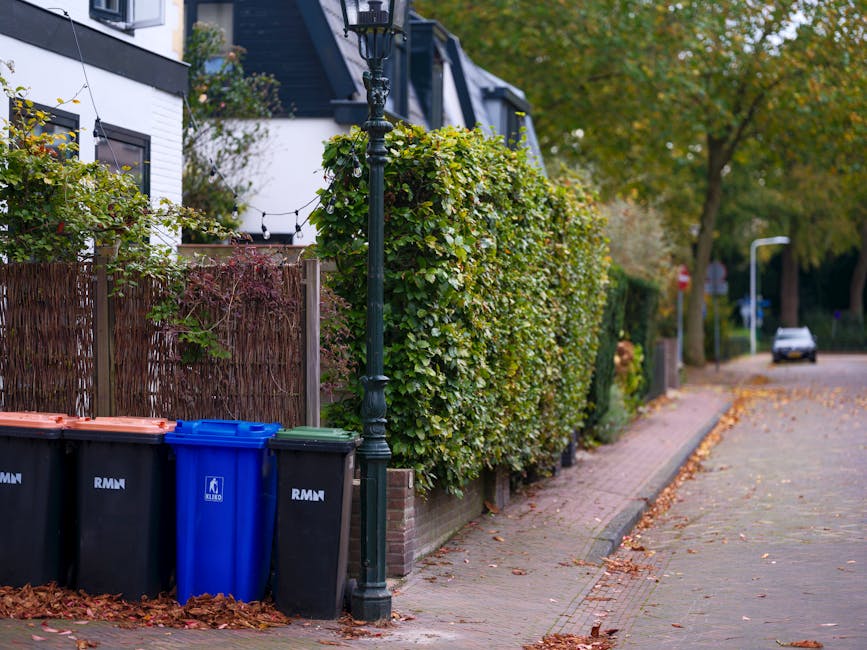
Rubbish clearance guide for Dulwich Village homes
Posted on 20/06/2026

Rubbish clearance guide for Dulwich Village homes: a practical local handbook
If you live in Dulwich Village, you already know the charm comes with a few real-world headaches: narrow drives, shared access, period homes, and the occasional loft that has quietly become a storage unit for the last ten years. This Rubbish clearance guide for Dulwich Village homes is here to make the process simpler, calmer, and a lot less messy. Whether you are clearing after a renovation, tackling garden waste, or finally dealing with furniture that has been waiting in the hallway since spring, the aim is the same: get rid of waste properly, quickly, and without creating extra stress.
In the sections below, you will find how rubbish clearance works, when it makes sense to use a professional service, what to check before booking, and how to avoid the usual mistakes. There is also a checklist, a comparison table, and a few local-useful pointers for Dulwich Village homes, because let's face it, the job is never quite as simple as "just putting things out the front".
Why rubbish clearance matters in Dulwich Village homes
Rubbish clearance is not just about tidiness. In Dulwich Village, it also affects safety, access, kerb appeal, and sometimes even neighbour relations. A pile of old timber, broken chairs, or bagged waste left too long can block a narrow path, attract pests, or make a front garden feel neglected. In a place where homes often have character, that matters more than people think.
There is also the practical side. Older properties and family homes tend to accumulate a mix of waste types over time: attic clutter, garden cuttings, white goods, renovation offcuts, and furniture that is too bulky for a normal weekly bin round. Trying to manage all of that yourself can turn into multiple trips, van hire, awkward lifting, and a whole Sunday lost to sorting. Not exactly ideal.
Another reason it matters is timing. If you are preparing a home for sale, having work done, or making space for a growing family, clutter has a way of slowing everything down. A good clearance plan gives you back usable space and makes the next step easier. If you are also thinking about a move or a broader property refresh, you may find the local context in selling your property in Dulwich helpful, because presentation and speed often go hand in hand.
Truth be told, most people wait until the mess becomes annoying enough to ignore no longer. That is normal. The trick is to deal with it before it starts affecting everyday life.
How rubbish clearance guide for Dulwich Village homes works
At its simplest, rubbish clearance follows a fairly predictable pattern: identify what needs removing, decide what can be reused or recycled, book the right service, and make sure the waste is collected and handled responsibly. The details vary depending on what you are clearing, how much there is, and whether the items are general household rubbish, bulky furniture, or heavier waste from renovation or garden work.
A typical domestic clearance visit starts with a quick assessment. That might be a phone description, photos, or an on-site look if the job is larger. The clearer your description, the easier it is to match the right vehicle, crew size, and loading time. If you want a helpful overview of how domestic collections are usually handled, the page on domestic waste collection in Dulwich is a useful place to start.
From there, the team will usually remove the agreed items, separate recyclable materials where practical, and transport the waste to an appropriate facility. If the job includes furniture, appliances, garden debris, or mixed household items, it helps to group them beforehand. That way the collection is quicker and the load is easier to assess.
For homeowners, the biggest difference between DIY removal and a professional clearance is not just convenience. It is logistics. Lifting, sorting, loading, transport, and disposal all happen in one controlled process rather than several separate errands. And if a home has tight stairs, shared access, or a narrow front, that control is worth a lot more than it sounds.
Key benefits and practical advantages
The obvious benefit is less clutter. But a good clearance service gives you more than an empty room or a tidy front path. It gives you back time, reduces risk, and removes the hidden friction that comes with "I'll deal with that later" jobs.
- Faster turnaround: One visit can clear what would otherwise take you several days.
- Safer handling: Bulky or awkward waste is moved by people used to lifting safely.
- Better sorting: Reusable and recyclable materials can be separated more sensibly.
- Less disruption: No need to fill your car boot or make repeated tip runs.
- More predictable outcome: You know what is being removed and what happens next.
For family homes especially, the benefit is often psychological as much as practical. A cleared hallway, a garage you can actually walk through, or a spare room that becomes usable again changes how the whole house feels. It is a bit like opening a window on a damp day; the difference is immediate.
If sustainability matters to you, that can be built into the process too. A responsible service should aim to divert as much as possible from disposal, which is where recycling and sustainability becomes more than just a nice phrase. It is part of doing the job properly.
| Option | Best for | Main advantages | Possible downside |
|---|---|---|---|
| DIY clear-out | Very small amounts of light waste | Low upfront cost, full control | Time-consuming, lifting risk, multiple trips |
| Skip hire | Larger home projects with space for a skip | Good for ongoing waste generation | Needs space and can be awkward on narrow streets |
| Professional rubbish clearance | Bulky, mixed, or urgent jobs | Quick, labour included, less hassle | Usually more expensive than DIY |
Who this is for and when it makes sense
This guide is for Dulwich Village homeowners who need practical answers rather than vague advice. You might be moving house, clearing a family home, finishing a DIY project, or just reclaiming storage space that got out of hand. It also helps if you have recently done a garden overhaul and are staring at branches, soil bags, and broken planters that will not fit in the normal bin. You know the type.
It makes sense to book rubbish clearance when the waste is too much for standard collection, too awkward to move safely, or too mixed to deal with in one simple trip. That includes heavy furniture, white goods, builders' rubble, garden cuttings, and the general "stuff" that accumulates after a long renovation or deep clean.
It is also a smart option if your time is limited. A lot of Dulwich Village residents juggle work, school runs, commuting, and family life, so spending an entire weekend loading a car and queueing at disposal sites may not be realistic. If that sounds familiar, you are probably already at the point where a professional service is the calmer choice.
For larger or more specialised jobs, related services can be useful too. A full property clean-out may need house clearance in Dulwich, while a post-renovation mess may be better handled through builders waste removal in Dulwich. If you are replacing a sofa, bed frame, or dining set, furniture removal in Dulwich may be the cleaner fit.
Step-by-step guidance
Here is the simplest way to approach rubbish clearance without making it harder than it needs to be.
- Walk through the property slowly. Start at the loft, then bedrooms, garden, shed, garage, and finally communal or external spaces.
- Separate the waste into broad groups. Keep general rubbish, furniture, appliances, garden waste, and building materials apart if possible.
- Decide what should stay. It sounds obvious, but people often throw away usable items during a clear-out. Pause for a second before the bag is sealed.
- Take clear photos of the load. This helps with accurate quotes and avoids awkward surprises on collection day.
- Check access. Measure gates, note stair access, and think about where a vehicle can stop without causing trouble.
- Choose the right service. Match the job to the waste type and volume, not just the cheapest price.
- Prepare the space. Put the waste together in one area if you can. Label anything that must not be removed.
- Confirm what is included. Ask about labour, loading, recycling, and disposal before the visit.
- Keep paperwork or confirmation. Especially useful for bigger jobs, landlords, and anyone managing a sale or refurbishment.
A small but practical tip: if the waste is spread across multiple rooms, group it the day before. It makes collection quicker and reduces the chance of something important being mistaken for rubbish. That has happened more than once in the real world, unfortunately.
Expert tips for better results
In our experience, the cleanest clearance jobs are the ones where the homeowner spends ten minutes thinking ahead. That little bit of preparation pays back immediately.
- Be precise about volume. "A few bags" and "half a garage" are not the same thing.
- Point out anything heavy or awkward. Cast iron, large wardrobes, and appliances need a different approach.
- Keep valuables and paperwork separate. Old boxes can hide important bits of life admin.
- Ask what happens to the waste afterwards. A trustworthy provider should explain the journey after collection. If you want to understand that process better, see what happens to your rubbish after collection.
- Book before your deadline gets tight. Moving dates and renovation schedules have a way of moving faster than expected.
One more thing: if you are comparing providers, look beyond the headline price. Service quality, communication, and what is actually included matter a lot. A useful read on that is comparing rubbish removal services by price, quality and trust.
If you are dealing with a lot of mixed material, take a few minutes to check whether recycling can be improved before collection. Small sorting decisions can have a real impact. It is not glamorous, but it is better than chucking everything in one pile and hoping for the best.
Common mistakes to avoid
Most clearance problems come from rushing. Not from the waste itself. The waste is just... there. It is the planning that usually slips.
- Underestimating the amount of waste. A room always looks smaller once you start emptying it.
- Ignoring access issues. A job that looks straightforward indoors can become tricky at the front gate or on a shared drive.
- Mixing up reusable items and rubbish. If something can be donated, sold, or repurposed, do that first.
- Choosing a provider without checking credentials. This matters for safety and lawful disposal.
- Not asking about extra charges. Hidden fees are a classic headache.
- Leaving everything until the last minute. Then the job feels bigger, louder, and more stressful than it really is.
There is a good companion guide on avoiding common issues in 7 common rubbish removal mistakes at home. It is the sort of article that can save you from a slightly annoying afternoon, which is honestly enough reason on its own.
Another common error is forgetting that some items need specialist handling. Fridges, freezers, and other appliances are not always treated like general waste. If you are unsure, read up on white goods and appliance disposal in Dulwich before you set anything by the kerb.
Tools, resources and recommendations
You do not need much equipment for a basic home clear-out, but a few simple tools make the job smoother.
- Heavy-duty bin bags for lighter mixed waste
- Gloves with a decent grip
- A marker pen for labelling keep, donate, and remove piles
- Box cutters or scissors for breaking down packaging safely
- A tape measure for checking bulky furniture and access points
- Flat-pack crates or boxes for sorting smaller items
On the planning side, it helps to review a few useful pages before booking. The services overview is a solid starting point if you want to understand the full range of clearance options. If your project involves restoring a garden after a long season of growth, garden waste removal in Dulwich may fit better than a general collection.
For bigger life-admin jobs, a broader view of the company background and approach can be reassuring too. It never hurts to know who is coming to your home. The about us page gives some context, while the page on insurance and safety is the sort of detail people often forget to check until they really should have checked it.
Law, compliance, standards, or best practice
For homeowners, the legal side of rubbish clearance is usually straightforward, but it should still be taken seriously. The main thing is to use a properly authorised waste carrier and make sure your waste ends up somewhere legitimate. If waste is fly-tipped after collection and you used the wrong operator, that can become your problem as well as theirs. Nobody wants that kind of surprise.
As a practical best practice, ask whether the company can explain how it handles licensing, insurance, and responsible disposal. A good provider should be comfortable talking about these things. The page on waste carrier licence and compliance is a useful reference point if you want to understand what responsible waste handling looks like in plain English.
For home projects that create mixed waste, a sensible approach is to separate hazardous or specialist items before collection and flag them clearly. Do not assume paint, chemicals, batteries, or electrical items can be bundled with normal rubbish. If in doubt, ask. It is the boring answer, but boring is good here.
Also worth noting: if you are a landlord, managing a house clearance for sale, or dealing with waste from a mixed-use property, record-keeping becomes more important. Keep notes of what was removed, who collected it, and what was agreed. That little paper trail can save a lot of confusion later.
For anyone who likes to understand the wider picture, UK waste removal regulations homeowners and businesses must know gives useful context without turning it into a lecture.
Options, methods, or comparison table
There is no single right way to clear rubbish from a Dulwich Village home. The best method depends on the size of the job, the type of waste, and how much disruption you can tolerate.
| Method | Best suited to | What it feels like in practice | Good to know |
|---|---|---|---|
| Self-clearance | Small, light loads | Cheap, but time-heavy and a bit fiddly | Works best if you already have a suitable vehicle |
| Skip hire | Projects with ongoing waste | Convenient once it is in place, but takes up space | May be awkward on narrow residential streets |
| Professional clearance | Bulky, mixed, urgent, or heavy waste | Fast and practical, with labour included | Usually the best balance for full-home or one-off clear-outs |
If you are comparing services, think in terms of overall value rather than price alone. The lowest quote is not always the best deal if it excludes loading, disposal, or awkward-item handling. For a more detailed look at cost factors, what rubbish removal costs and what affects the price can help you understand the moving parts.
And if you want a stronger sense of what responsible collection looks like from the inside, behind the scenes: how a company handles rubbish responsibly is useful background reading.
Case study or real-world example
A fairly typical Dulwich Village scenario goes like this: a homeowner is preparing for decorating works and wants to clear a spare room, a small shed, and some old furniture from the dining area. Nothing dramatic. Just enough clutter to make the rooms feel closed in. The access is a little tight, the shed is damp, and there are a few heavy items that would be awkward to move without help.
Rather than trying to do everything in separate weekend trips, they sort the waste into three groups: keep, donate, and remove. The clearance is booked after photos are sent over, which helps confirm what needs taking. On the day, the crew can work through the spaces in one visit, loading the bulky items first and then handling the smaller bags and mixed waste.
The result is not just a tidier house. The decorating can start on time, the spare room becomes usable again, and the homeowner avoids the kind of last-minute scramble that tends to happen when the skip arrives too late or the car boot is already full of other life stuff. Simple win, really.
If you are planning a similar job, the planning notes in how to prepare your home for a rubbish collection visit are well worth a read before the day arrives.
Practical checklist
Use this quick checklist before your clearance day. It keeps things tidy and saves that slightly panicky "wait, was that meant to go?" moment.
- Walk every room and identify what is being removed
- Separate reusable, recyclable, and general waste where possible
- Take photos of bulky or unusual items
- Check access routes, parking, and stairways
- Confirm the waste type with the provider
- Ask whether labour, loading, and disposal are included
- Keep valuables, documents, and sentimental items away from the clearance zone
- Flag anything fragile, heavy, or awkward
- Make sure appliance disposal is handled correctly
- Save the booking confirmation and any follow-up notes
If you are dealing with a particularly seasonal clear-out, such as before hosting guests or after the holidays, you may also want a refresher from seasonal rubbish removal tips for Christmas and New Year. It is not just for December, by the way; the planning logic works year-round.
Get a free quote today and see how much you can save.
Conclusion
A well-planned rubbish clearance in Dulwich Village does more than remove clutter. It makes a home safer, easier to live in, and far less stressful to manage. Whether you are clearing a loft, dealing with garden waste, or preparing for a sale, the best results come from a simple mix of sorting, good timing, and choosing the right kind of help.
The key is not to overcomplicate it. Start with what needs to go, be honest about the volume, and use a service that understands the realities of local homes and access. That keeps the job smooth and, honestly, saves a lot of back-and-forth.
And once the dust settles and the last bag has gone, the house feels different. Quieter. Lighter. A bit more like your own again.